
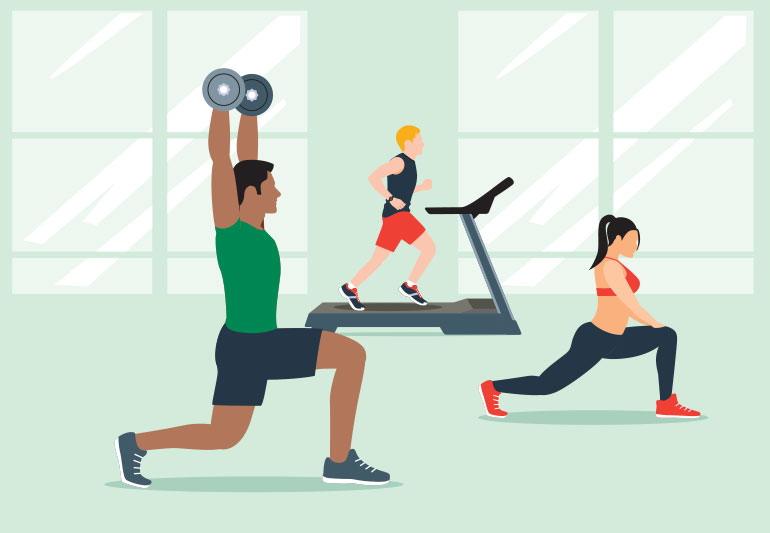
 You know exercise is good for you, but do you know how good? From boosting your mood to improving your sex life, find out how exercise can improve your life. Want to feel better, have more energy and even add years to your life? Just exercise. The health benefits of regular exercise and physical activity are hard to ignore. Everyone benefits from exercise, no matter their age, sex or physical ability. Need more convincing to get moving? Check out these seven ways that exercise can lead to a happier, healthier you. 1. Exercise controls weight Exercise can help prevent excess weight gain or help you keep off lost weight. When you take part in physical activity, you burn calories. The more intense the activity, the more calories you burn. Regular trips to the gym are great, but don't worry if you can't find a large chunk of time to exercise every day. Any amount of activity is better than none. To gain the benefits of exercise, just get more active throughout your day. For example, take the stairs instead of the elevator or rev up your household chores. Consistency is key. 2. Exercise combats health conditions and diseases Worried about heart disease? Hoping to prevent high blood pressure? No matter what your current weight is, being active boosts high-density lipoprotein (HDL) cholesterol, the "good" cholesterol, and it decreases unhealthy triglycerides. This one-two punch keeps your blood flowing smoothly, which lowers your risk of heart and blood vessel, called cardiovascular, diseases. Regular exercise helps prevent or manage many health problems and concerns, including:
It also can help improve cognitive function and helps lower the risk of death from all causes. 3. Exercise improves mood Need an emotional lift? Or need to lower stress after a stressful day? A gym session or brisk walk can help. Physical activity stimulates many brain chemicals that may leave you feeling happier, more relaxed and less anxious. You also may feel better about your appearance and yourself when you exercise regularly, which can boost your confidence and improve your self-esteem. 4. Exercise boosts energy Winded by grocery shopping or household chores? Regular physical activity can improve your muscle strength and boost your endurance. Exercise sends oxygen and nutrients to your tissues and helps your cardiovascular system work more efficiently. And when your heart and lung health improve, you have more energy to tackle daily chores. 5. Exercise promotes better sleep Struggling to snooze? Regular physical activity can help you fall asleep faster, get better sleep and deepen your sleep. Just don't exercise too close to bedtime, or you may be too energized to go to sleep. 6. Exercise puts the spark back into your sex life Do you feel too tired or too out of shape to enjoy physical intimacy? Regular physical activity can improve energy levels and give you more confidence about your physical appearance, which may boost your sex life. But there's even more to it than that. Regular physical activity may enhance arousal for women. And men who exercise regularly are less likely to have problems with erectile dysfunction than are men who don't exercise. 7. Exercise can be fun — and social! Exercise and physical activity can be fun. They give you a chance to unwind, enjoy the outdoors or simply do activities that make you happy. Physical activity also can help you connect with family or friends in a fun social setting. So take a dance class, hit the hiking trails or join a soccer team. Find a physical activity you enjoy, and just do it. Bored? Try something new, or do something with friends or family. Exercise to feel better and have fun Exercise and physical activity are great ways to feel better, boost your health and have fun. For most healthy adults, the U.S. Department of Health and Human Services recommends these exercise guidelines:
Moderate aerobic exercise includes activities such as brisk walking, biking, swimming and mowing the lawn. Vigorous aerobic exercise includes activities such as running, swimming laps, heavy yardwork and aerobic dancing. You can do strength training by using weight machines or free weights, your own body weight, heavy bags, or resistance bands. You also can use resistance paddles in the water or do activities such as rock climbing. If you want to lose weight, keep off lost weight or meet specific fitness goals, you may need to exercise more. Remember to check with a health care professional before starting a new exercise program, especially if you have any concerns about your fitness or haven't exercised for a long time. Also check with a health care professional if you have chronic health problems, such as heart disease, diabetes or arthritis.
0 Comments
 Have you ever noticed that during the winter season everyone tends to have less self control with comfort foods like sweets and holiday food? With colder temperatures and shorter days it is easy to feel depressed and have a lack of motivation. It is important to remember to stay focused and motivated, even though you may not feel like it.
Check out these 8 Nutrition Tips to help get you through those tough Winter months while still achieving your goals 1. Eat on a Regular Schedule. Meaning your meals and snacks should be consumed at about the same time each day. (for example – Breakfast at 7am, Morning Snack at 9am, Lunch at 12pm, Afternoon snack at 3pm, Dinner at 6pm). This will help prevent you from feeling hungry and overeating. 2. Drink More Water. Do you ever feel tired during the day and the late afternoon? If so, you are probably dehydrated and need to drink some water. During the winter months, it is easy to get dehydrated as most people feel cold and therefore are not motivated to drink cold water. 3. Increase your Fruit & Vegetable intake. Yes, we know there are not many that are “in season” during the winter, but you can still purchase and eat frozen fruits and vegetables from other seasons. It is always exciting to try new foods, so try some in-season fruits and vegetables, such as: Oranges, Tangerines, Pomegranates, Broccoli, Brussel Sprouts, Turnips, Winter Squash. 4. Eat Healthy Carbs. The longer hours of darkness during the winter can lead to drops in serotonin levels, which may cause the sad feelings known as the winter blues. It can even bring on some food cravings. Eating healthy carbohydrates can boost serotonin. Beets, Squash, Sweet Potatoes, Whole Grains, Yams 5. Eat More Nuts. Prolonged periods of low sunlight also means that more of the sleep hormone melatonin is produced. This makes you tired, sluggish and unmotivated. In order to keep this in check, you need melatonin’s opponent, serotonin, which is formed from the amino acid All kinds of nuts, from peanuts and cashews, to hazelnuts and also sunflower seeds provide you with this valuable substrate. 6. Eat Smaller Portions. You don’t have to avoid your favorite desserts, just have a smaller portion (example – 1 cookie vs 3-4 cookies at one setting). Consider changing out high calorie desserts for lower calorie desserts, like fruit. 7. Vitamins. Vitamin supplements (Vitamin D3, Vitamin C, and Zinc) can help meet the challenges of staying healthy in the winter. Check your Multivitamin to see if it already offers the following: Vitamin D3 – usually we get most of our Vitamin D from the sun’s rays, but in the winter it becomes more challenging. Adding a Vitamin D supplement will help reduce your fatigue, depression, and unhealthy cravings. Most adults will need at least 1,000-2,000 IU/day but check with your physician to see if your needs are higher. Vitamin C – found naturally in fruits and vegetables, can help boost your immune system and prepare you to fight a cold or the flu. Most adults will need 65-90 mg/day. Zinc – can also help ward off infections. Zinc is naturally found in fish, dairy, eggs, and some cereals. Most adults will need 8-11 mg/day. 8. Keep moving. Find an indoor sport or exercise class and do it with a partner so that you will stay motivated to keep going. Try increasing the amount of exercise you do by taking the stairs instead of the elevator or walking and talking instead of emailing a nearby co-worker. 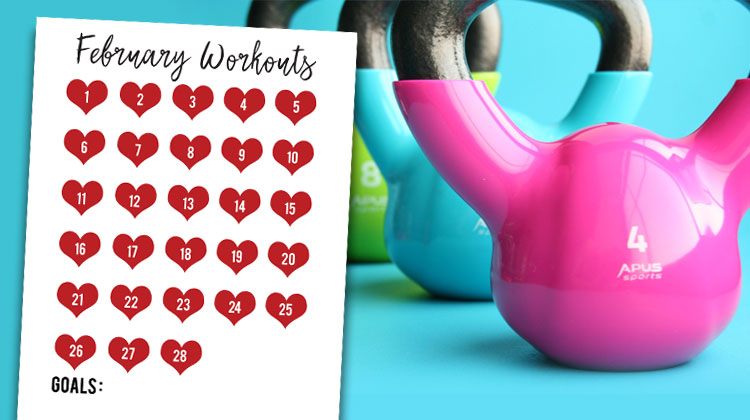 In January, everyone makes well-meaning commitments to hit the gym and get fit. Gym membership skyrockets at the beginning of the year. But come February and the slump already hits hard. By February, 80& of people drop off on their fitness resolutions, and there is a marked decline of people at the gym. Why do so many people fail at continuing their fitness resolutions past a month? And what can you do to power through the slump and stay motivated? Here are 5 tips to maintain your fitness resolutions and achieve your fitness goals long-term.
1. LOWER THE EFFORT The problem is that most people think they need to really sweat and struggle during every workout for it to count. After all, “no pain, no gain” has become a popular fitness quote. So in January, people start off strong and put in major effort to reach their fitness goals. Unfortunately, starting off with such excessive effort can work against you in the long run. Our brain is actually wired to encourage us to avoid physical effort. Our brain is constantly monitoring our body for any changes from our resting state, which could signify danger to our health. The physical effort we exert, the more our brain is signaled that the activity isn’t worth the effort and potential risk. This leads us to feel less motivated by the time February comes around. So if you find yourself struggling to maintain your fitness resolutions, it may actually help you in the long run to minimize the effort you put in. For example, people start to fall off the wagon when they think about (and dread) the hour-long cardio exercise they have planned, or how hard and tiring the spin class will be. If you hate going to the gym, but enjoy dance classes, do that instead. Find an activity that you enjoy and can motivate yourself to do more easily. Or just do a 10-15 minute jog or workout video (plenty can be found on YouTube) from the comfort of your own home. Exercise doesn’t have to be long or high-effort. Just make sure you keep on moving! 2. MAKE IT FUN Again, exercise doesn’t have to be painful or grueling. If you’re trying to force yourself to do something you don’t enjoy, this is going to trigger that part of your brain that tells you to avoid “painful” things that stresses out your body. Instead of treating exercise like a chore, try to find something you actually enjoy. The best fitness routine is one you’ll actually do. So try lots of different sports, classes, and workout styles to find something you like, then mix them up so your brain and body don’t get bored of the same exact workouts. 3. CREATE SHORT-TERM GOALS Another motivational mistake we often make is that our January goals are too big or too far in the future. Most people set a far-off “final” goal (like losing 30 pounds, or being able to fit into an old pair of jeans). But when the desired outcome (ie. 30 pounds) is so far in the future, or seems like a huge effort to actually accomplish, our brains start to disconnect the motivation (fitting into our jeans) with exercising. This means we become less inclined to continue working out. By choosing goals that have more immediate outcomes, our brains will then associate the positive outcome with exercise. For example, if you set your goal to be to lose 5 pounds at a time instead of 30, the mood-boosting benefits of exercise will occur more quickly, even if you don’t see huge physical differences, motivating you to continue exercising well past January. Break up your fitness goals into smaller, more immediate ones you can achieve sooner, and the long-term benefits will follow. 4. FOCUS ON BEING VS. HAVING Another motivational fix is to change the mentality of the goals you have set. Most people set “have” goals as their New Year’s resolutions. “Have” goals–such as working out to have a better body–actually have little effect on our motivational brain, which focuses on more important concepts like building social bonds and being effective at what we do. Our brains view these “have” type goals as less important since they do not help us meet essential goals that help us thrive in society. On the other hand, “be” goals–such as exercising in order to be healthy or to be more athletic–are more likely to keep us motivated. “Be” goals are better motivators because we as humans tend to want to bond with other like-minded people based on our identities. It is believed that these motivations developed because forming bonds helped us to survive in the past. As a result, most people do a better job of sticking to “be” goals rather than “have” goals. If you have found yourself slacking in terms of your fitness resolution goals, try reframing your goals from what you want to “have” to what you want to “be.” This change in approach may help you maintain your fitness regime for the rest of the year. 5. POWER OF ACCOUNTABILITY Finally, the key difference between people who stick with their fitness plans and those who fall off the wagon is accountability. Again, the workouts don’t have to be hard, excruciating work. Find a friend who would like to work out with you, then ask them to help hold you accountable to all your other sessions (even the ones they don’t join you for). This way, even if they don’t join you for 100% of your workouts, they can still be an enthusiastic motivator for your journey. You can share with them your weekly training plans, then check in with them when you’ve completed it. If they don’t hear from you, you can ask them to follow up. Try to find a workout buddy who pushes you to be your best. Once you have someone, make plans to meet for workouts, group classes, runs, etc. You are far less likely to make an excuse to ditch the workout if there is someone expecting you to show up. If you don’t have a suitable workout buddy, or even if you just want better accountability, a personal trainer can not only do a fantastic job of motivating you and keeping you accountable, but they can also help you design a training schedule that’s customized and geared towards reaching your fitness goals most effectively.  Even the most dedicated exercise enthusiast can have a hard time in winter.
Cold days and long nights make it hard to get out of bed, let alone get the body moving, but there are simple ways to get motivated when the weather outside is frightful. The goal is to remove as many obstacles as possible and make small changes that can make staying active easier until spring returns. At this time of year, exercise can also help to cope with seasonal depression. Here are 11 tips on how to motivate yourself to stay active in the winter. 1. Seek out an exercise partner or group When exercising alone, there is only one person you have to convince to skip a session. But by exercising with a partner or group, there’s some social pressure. Exercise partners can also provide social support, camaraderie and distraction from bad weather. There’s the additional benefit of making friends and hanging out with like-minded people, he added. Even if you're exercising at home, consider joining a live class on Zoom or on Instagram — which are great winter workout options that don't require you to brave the cold. 2. Enlist the thermostat in your cause If the schedule calls for early workouts, program the thermostat in the morning to ensure a cozy atmosphere for waking up and place workout clothes near a heater so they’re nice and warm. 3. Make it a goal just to get to the gym Just focus on getting dressed and showing up at the health club or in your living room in front of your laptop, nothing else. Then, it's OK to do an abbreviated workout or leave after a few minutes. (Most people don’t.) Once you’re there, the problem is solved. You’re kind of committed. Once you’ve changed into your gear, once you’ve made the initial step, the rest of it is a lot easier. 4. Exercise during your lunch break Many people get frustrated when it’s dark in the morning and dark when they come home from work. The solution is to work out in the middle of the day, during the peak light hours. If the weather is tolerable, take a long, brisk walk during lunch hour — this provides the added benefit of fresh air and a bit of nature. If there’s too much snow in the way, head to a nearby mall or shopping center for an indoor stroll. 5. Focus on the mental health benefits Many people who start exercising get frustrated when they don’t lose weight or feel fit right away. But those benefits take a while to show up. The mental health benefits, on the other hand, happen almost immediately. People feel better, less stressed and more relaxed, which may be especially important during the hectic holiday season and a time when many suffer from seasonal affective disorder. Feel good about doing something for yourself that we know has so many benefits that so many people need. 6. Plan ahead and anticipate For outdoor workouts, watch the weather forecast and know what you’ll be up against the next day, whether snow or a cold blast. Plan the appropriate clothing by stocking up on some workout clothes for winter and have everything ready when for wake up time: gear, gym bag and snack. If you know what you’re going to have to experience or endure, it doesn’t bother you as much. 7. Put on exercise clothes when coming home from work This simple goal puts people on the right path without much effort. The idea behind doing that is you’ve met your goal and it’s probably difficult to take those exercise clothes off without actually doing some form of exercise. 8. Sleep in exercise clothes This is a more intense variation of the goal above. The advantage is being ready to go right out of bed in clothes that are warm and already in place. On the other hand, the ritual of getting into exercise clothes can be energizing. Once you start gearing up, you’re getting your head in the game. It’s like a pre-game ritual. 9. Swim in a warm pool If exercising in the cold just isn't something you're willing to do, indoor swimming can be a great cardio option. Swimming is one of the best sports for a long and healthy life. A warm indoor pool can be the perfect place for a workout when the weather outside doesn’t cooperate. 10. Optimize the morning alarm Choose a song that will get out of bed and get the heart beating faster. That’s when the race begins, so don’t hit the snooze button. If you’re giving yourself a couple of options to snooze, you’re done a lot of the time, especially when your options are work out in the cold or stay warm and cozy in bed. 11. Reconsider starting an outdoor exercise program as a New Year’s resolution Winter is really a bad time to do it, but unfortunately, a lot of people start January 1. It’s just a penalty on top of a penalty. People have been overindulging, they feel guilty, they feel like they have to do it and then they’re starting at a time when the environment is kind of conspiring against them. It's better to start with baby steps and start somewhere warm.  Do you workout five days a week and take the weekends off? Are you sure you want to do that? Here’s how I look at it. You work Monday through Friday, eight hours a day and are completely exhausted. Most of the time you force yourself to workout after work/school or before. I find that stressful. And isn’t stress one of the main factors in weight gain? After torturing yourself throughout the week rushing to workouts, work/school and life you crash on the weekends. In my opinion, weekends are the best time to workout. If you want to workout five days a week, fine! Just space it out to make it less stressful. Take two of your busiest workdays off to rest and workout on the weekends instead.
Here are ten good reasons to workout on the weekends.
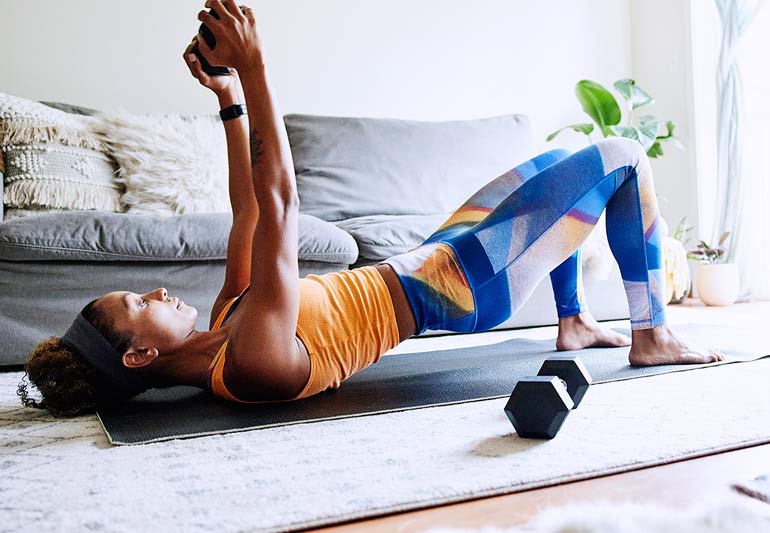 For fitness success, set goals that are specific, measurable, attainable, relevant and time-bound
We know that keeping ourselves physically fit is important. Regular exercise is good for our minds and our bodies. And whether you’re a dedicated fitness buff or just getting started, it turns out that your fitness routine could benefit from taking a cue from the business world. Specifically, setting goals. And — even more specifically — setting SMART goals. SMART is an acronym for goals that are:
SMART fitness goals are a framework for how you’re going to achieve certain results. If we don’t have something that we’re moving toward or a plan to get there, we can get lost and lose motivation. Setting SMART fitness goals allows you space to consider what you really want to achieve in your exercise program, and by when. What are SMART fitness goals? SMART goals are a way to systematically and thoughtfully approach an objective. They were first introduced by business consultants in the 1980s to help employees define (and ultimately, meet) their work objectives, but the approach extends beyond office culture. Think about it like this: If a business owner’s goal for the next quarter is to “make more money,” that doesn’t tell you how they’re going to get there or how much cash they want to bring in. It’s not a solid plan for success. Similarly, a fitness goal to “get healthier” doesn’t give you a useful blueprint to work from. That’s where SMART goals come into play. If you don’t have a defined goal and a plan to reach it, you can start at a program, but you’re likely to be all over the place — not focused and maybe even unmotivated. Setting specific, measurable goals can provide a ‘spark’ and hold you accountable as you work to improve your fitness level. Here is how to set goals to work out SMARTer, not harder. Let’s start with this example SMART fitness goal: In the next three months, I will increase my current average step count from 6,000 steps per day to 8,000 steps per day. Specific A goal to improve your average number of steps per day is targeted and specific. More than a plan to “walk more,” this goal includes starting point and a target expectation. Measurable SMART fitness goals need to be trackable — otherwise, how can you know if you’re achieving the desired result? And how do you know when you get to back yourself on the back for a job well done? In the above example of increasing steps per day, you have a certain number of steps to work toward. And using a pedometer or other step-counting device, you can measure how you’re moving toward meeting that goal. Attainable If you’re new to consistent exercise, it’s not very likely (or advisable) to plan to run a marathon in a month. Setting goals that are within an achievable range will help ensure that you have the proper motivation to reach them and that you’re setting yourself up for success. If you set your sights too high, too fast, it’s easy to get frustrated and give up. You can also injure yourself if you’re trying to push too far to reach an unreasonable goal. In this example, the goal to increase steps by an average of 2,000 steps per day can be attainable, yet it’s a big enough change that you’ll need to push a little harder than usual in order to achieve the goal. Whether a fitness goal is attainable depends on where you’re starting from in your fitness journey, how much time and energy you have to devote to your new routine, and how motivated you are to achieve your goal. Relevant Setting a relevant SMART fitness goal means thinking about the ends you’re trying to achieve and finding the path to get there. If your reason for increasing your step count is to achieve an overall improvement in your health, you’re on the right track. Walking can burn some extra calories, relieve stress, improve your energy and more. If those are the kinds of benefits you’re looking for, you’re on track with a relevant workout goal. Congrats! But if what you’re really working toward is increased flexibility to relieve pain in your shoulders, the step-count goal won’t really get you there. A more relevant goal would focus on incorporating more stretching or yoga into your day. Time-bound A time-bound goal means setting a timeframe, sometimes even a specific date that you can circle on your calendar, by which you plan to have achieved the goal. Adding a time-sensitive element to your goal means you’ll be able to plan the incremental changes you need to achieve the goal and set milestones along the way. Examples of SMART fitness goals Because SMART goals take into account your current fitness level and your personal desires, goals are likely to be very different from person to person. That’s what makes them personalized and more likely to make you successful in sticking to them and achieving results. In general, short-term fitness goals should be things you plan to achieve in the next six months or less. Anything longer than that is considered a more long-term goal. Consider these example SMART fitness goal examples to get you started on setting your own goals. Short-term: By fall, I’ll run a 5K. Long-term: This time next year, I’ll run a 10K.
Short-term: For the next six months, I’ll go to two yoga classes per week. Long-term: By this time next year, I’ll work on advanced poses in higher-intensity yoga classes.
Short-term: I’ll be able to do 25 knee push-ups in a row without being fatigued in the next three months. Long-term: In a year, I’ll do 50 regular pushups in a row.
Holding yourself accountable OK, so now it’s all out there on paper. You’ve set a solid SMART goal and have a reason to push yourself to new limits. (Yay!) Now comes the real work. Accountability is the key to achieving the goals you set out for yourself. Sometimes, people don’t appreciate how much work actually goes into actually meeting their goals. Changing your habits can be intense and uncomfortable, but it’s worth it. It’ll help to have a plan in place not only for what you’re going to achieve but also the steps you’re taking to get there. Here are ways to track your progress toward meeting your fitness goals:
Working toward a new goal can be exciting, and maybe even daunting. But breaking it all down into short-term plans and long-term goals that are attainable and measurable can help take some of the guesswork out of the equation. And it keeps you physically and mentally on track to make changes in your life. If you’re still not sure where to start or are looking for advice, we suggest talking with a fitness professional — like a fitness coach or personal trainer — to help you set a SMART goal, make a plan to achieve it and give you a nudge along the way.  Are you thinking about starting a fitness program? Good for you! You're only five steps away from a healthier lifestyle. Starting a fitness program may be one of the best things you can do for your health. Physical activity can lower the risk of long-lasting disease and improve balance and coordination. It can help with weight loss, sleep and self-esteem. And you can start a fitness program in only five steps. 1. Measure your fitness level You probably have some idea of how fit you are. But find out for sure. Learn about your fitness level and write down your scores before you start your program. Use the scores as benchmarks against which to measure your progress. To measure your aerobic and muscular fitness, flexibility, and body composition, write down:
2. Design your fitness program It's easy to say that you'll exercise every day. But you'll need a plan. As you design your fitness program, keep these points in mind:
3. Gather your equipment You'll probably start with athletic shoes. Be sure to pick shoes made for the activity you have in mind. For example, running shoes weigh less than cross-training shoes, which offer more support. If you're planning to buy exercise equipment, choose something that's practical, fun and easy to use. You may want to try out some types of equipment at a gym or fitness center before buying your own equipment. Try using fitness apps for smart devices or other activity tracking devices. You can use them to track the distance you walk, track calories you burn or check your heart rate. 4. Get started Now you're ready for action. As you begin your fitness program, keep these tips in mind:
5. Check your progress Assess your fitness six weeks after you start your program. Then do it again every few months. How are you doing? You may need to add more exercise time. Or you may find that you're exercising about the right amount to meet your fitness goals. If you lose motivation, set new goals or try a new activity. Exercise with a friend or take a class at a fitness center. Starting an exercise program is an important decision. But it doesn't have to be an overwhelming one. By planning carefully and pacing yourself, you can begin a healthy habit that lasts a lifetime.  Are you ready to make this your year to take control of your health and fitness? If you’ve had New Year’s fitness resolutions that didn’t stick in the past and you want to make a change this year, the first step is recognizing where your good intentions fell off and didn’t result in action. It’s not that you didn’t have what it took to succeed, but more likely that you didn’t clearly define your goals and develop a fool-proof action plan. Use the tips below to set yourself up for success and ensure your fitness resolution fires up instead of fizzles out this year.
Focus on Daily Habits Rather Than End Results Big, ambitious goals are accomplished through small daily habits. Instead of setting New Year’s resolutions that are focused on the distant end goal, like “run a marathon” or “lose thirty pounds”, focus on the consistent steps needed to get there. Once you know where you want to be in three, six, or twelve months, work backwards and get granular to define what you need to do every day to reach your goal. Taking small steps consistently will help you bridge the gap from where you are to where you want to be. For example, if your goal is to lose 10 pounds, decide how much time you will dedicate to daily exercise and healthy meal planning. Plan what days you will work out during the week, and for how long. Develop or download a meal plan and write out your grocery list. Decide which day of the week you’ll meal prep and block out specific times on your schedule. Shifting your mindset to focus on actionable steps that change your daily lifestyle, rather than letting the days go by without taking action, will help you make real progress and keep your motivation levels high. Write Out Your Goal & Place It Somewhere You’ll See Every Day Take a moment to write out your resolution and place it somewhere you will see first thing in the morning. This is an effective way to keep your goal front of mind as you start each day and reaffirm why you’re making positive daily lifestyle changes. Whether you place a sticky note on the bathroom mirror or magnet it to the fridge, this small visual reminder can make a huge difference. Pro tip: If you’re interested in tracking your daily progress and milestones, try using a planner or calendar. You can use this tool to plan your weekly workouts and meals, record what you did each day to move toward your goal, and write notes on what you’ve learned so far. This will also help you plan how to best fit your new practices into your regular routine. Be Realistic & Start Small If you never workout, don’t start with a goal that involves working out 6 days a week. You’ll get burnt out before the first week is up. Instead, set a smaller, more attainable goal that won’t overwhelm you. Start with 30 minutes 3 days a week while you build your strength and stamina up. Once that becomes a habit, add another day or an additional 15 minutes to the 3 days. It’s important to build a solid foundation first. Studies show it takes 66 days on average to form a habit. So, if you stick with your smaller goals for 2-3 months, it will be much easier to keep it going and accomplish bigger goals. Find an Accountability Buddy or Join a Group There’s power in numbers. Surrounding yourself with people working towards similar goals will help keep you motivated and disciplined. If you don’t have someone in your circle of friends or family who will hold you accountable, consider joining a local class or club. Activity trackers can also help give you a little boost of motivation each day. Reward Your Small Accomplishments Keep yourself motivated to achieve your New Year’s fitness resolution by deciding on a reward for small accomplishments along the way. Going back to the example at the beginning, if your goal is to lose 10 pounds, reward yourself for every 2 pounds you lose with something fun and exciting, but that won’t set you back. For example, new yoga pants, a night out dancing with friends, tickets to the next game of your favorite sports team, a cooking class, etc. It’s important to decide the rewards and milestones in advance though, so you always know what you’re working toward. New Year’s fitness resolutions can be an amazing way to set intentions for your year, reset your priorities, and achieve your goals. If you start with a clear action plan, a strong community, and a positive mindset, you’re off to a great start on your journey!  What Is Your “WHY?”
The main issue I have heard, from tens if not hundreds of thousands of people over the years is that, so many people KNOW they desperately WANT and NEED to lose the weight, but for whatever reason they can never string enough little ‘wins’ together to get any momentum. Have you found yourself saying these things? What about THINKING these things? “I have tried so many times, BUT…” “I need to workout, but can’t find the time…” “I can’t seem to stay (or get) motivated” “It is too hard to eat right…” “I workout for a day or two, I don’t see results, so I stop…” Are any of these you? If you are looking for answers on fixing the above I am going to turn this back to you and ask a very important question: What is your why? The KEY to your Success It is impossible to stay committed and determined to do ANYTHING unless you know your “WHY”. Your “why” is the REAL reason, the DRIVING reason that you WANT to change, workout, get healthy, or whatever it is that you truly want to do. You can’t change for someone else and you can’t change for insignificant reasons. You can ONLY change if your WHY becomes important and visible to you. Your “WHY” is the REAL reason, that underlies EVERYTHING and becomes your CORE driver and motivator. When it is identified and understood, and when it is aligned correctly with your intentions, you become unstoppable towards your goal. When it comes to fat loss, if you can identify your TRUE “why” then you can get and stay motivated, you CAN massively increase your fat loss, and you can experience a boost in your overall energy and confidence by overcoming an obstacle in your life. How Do You Find Your Why? Block out some “Me-time” and put a lot of thought into this. WHAT is your why? Flip through magazines and see what appeals to you and consider making a vision board which can help reveal some deep desires and why’s to you. Do some soul searching and get serious in your thinking.
Along those lines, you can’t take somebody else’s why and make it yours. It does not matter that your family, doctor, friends, etc., think something should be important to you. YOU have to make it important to YOU! Once you get to the root of what your “why” is, it CHANGES and DRIVES you. All of a sudden solutions will start presenting themselves to your problems. The hurdles become crystal clear and you start to take action and make things happen — all because you found out what dives you. You found your why. Discovering your WHY is the most important step to changing, as it gets your mind right. It is a critical first step that I include in my programs because once you find your “why” and your mind is focused, you cannot be stopped! When your mind is active and focused on positive things, you WILL get positive results the exact same way an unsure and unfocused mind gets poor results. If you are ready to make a change and find the answer to whatever your dilemma may be (no time, lack of motivation, etc.), FIND YOUR WHY …and the answer will come to you. 🙂  The holiday season is one of the most difficult times to stay motivated to be healthy. Holidays have a tendency to cause quite the disruption to our normal diet and exercise routine and staying motivated to get into the gym can be a bit harder than usual.
So, why is it so difficult to stay motivated during the holidays? Well, during the festive season, it’s a lot easier to make excuses, the food is yummier, and it’s a crazy busy time of year. Between work, family, planning, and parties finding the time for a gym session can be nearly impossible. With all the delicious food and the cold weather, many of us are tempted to spend our free time laying by the fire with our full bellies and relax with our loved ones rather than hit the gym for a sweat session. The problem is that although we enjoy ourselves at the time, we soon regret it when the holidays are over. Every year you tell yourself you’re going to stay motivated during the holidays, so this season follow these tips to make it happen. 1) Maintain the right mindset Staying motivated won’t be possible unless you start out with the right mindset. Go into the holiday season determined and dedicated. Make a promise to yourself that you are going to stick to your holiday health plan. Don’t make excuses when the time comes for your workout. If you don’t have time after work, work out before, if you are out of town, go for a run outside or a hike with your family. 2) Make a schedule Making a plan and workout schedule ahead of time will make it a lot more difficult to make excuses when the time comes. If you are prepared, you are more likely to get it done. Take a look at your schedule and write down the times that you will be able to get in your workout session. 3) Workout with a partner Working out with a partner is always a motivator, regardless the time of year. Ask a good friend or family member to be your workout partner and head with you to the gym. Having someone to hold you accountable for your workouts and vice versa will ease the pressure on you to stay self-motivated. Even if you and your workout partner are going to be a part for certain holidays and occasions, stay in touch and keep each other accountable throughout the time. 4) Make it a family activity If you are struggling to find the time to balance working out and also spending time with your family, then make getting an exercise a family activity. Go on a hike with your family, a walk, play a dance game, or kick it up a notch and try a fitness class together. 5) Do short HIIT workouts When you are short for time, HIIT workouts are a really great option. They achieve a lot in a short amount of time. They are great in that they incorporate cardio as well as strength training. In just 20 to 30 minutes you will have achieved burning from 100 to 300 calories and built strength as well. Stick to these holiday workout tips and you are sure to stay motivated this season. Come by our personal training studio to learn more about our awesome trainers and programs. Lincoln Personal Training is dedicated to you and your health this holiday season. Call us or come by today. |
AuthorBrian Lowe Archives
January 2024
Categories |
 RSS Feed